Crypto.com's $20B Valuation: What It Means for Your Taxes Abroad
Citadel Securities' investment in Crypto.com signals mainstream crypto adoption—and renewed scrutiny on how expats and remote workers report digital asset gains.
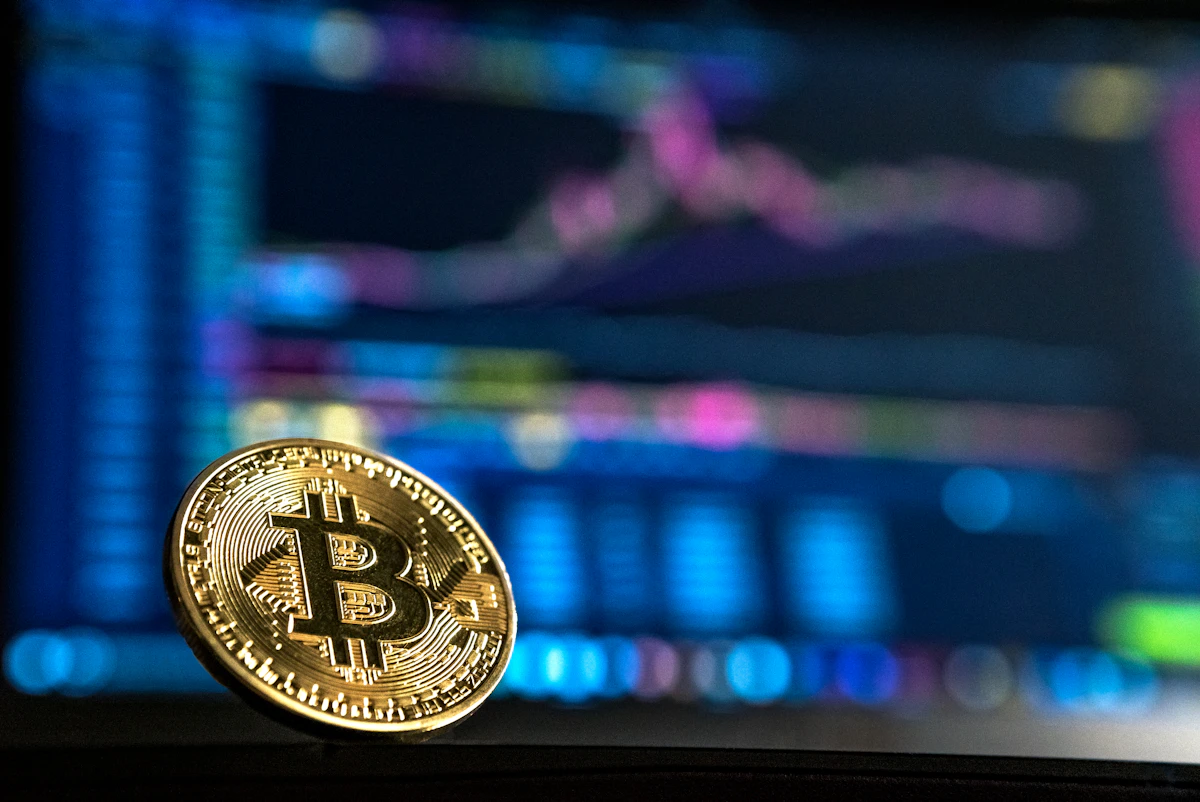
Crypto.com's $20 billion valuation, backed by Citadel Securities, marks a watershed moment for digital assets in mainstream finance. But for expats and remote workers holding cryptocurrency or earning in stablecoins, the real story isn't the valuation—it's the tax and compliance headwinds that legitimacy brings.
Why Wall Street's Crypto Bet Matters to Your Tax Filing
When major institutions like Citadel Securities invest in crypto exchanges, regulators pay attention. The U.S., UK, Australia, and most developed nations are tightening crypto reporting requirements. If you're earning income in crypto, trading on Crypto.com, or holding digital assets across borders, exchanges now face pressure to report user activity to tax authorities via FATCA and similar frameworks.
The upshot: you can't hide. Expats who've been casual about reporting crypto gains should expect heightened scrutiny. If you're relocating and plan to work in crypto or hold substantial digital assets, understand your new country's stance. Singapore—where Crypto.com is based—has clearer crypto tax guidance than many alternatives, but it still taxes capital gains and trading income.
Remote Workers in Crypto: Visa and Income Implications
Ad
Crypto roles often qualify for working holiday visas and professional visas, but only if your employer is formally registered. Freelance crypto traders face murkier ground. Some countries (Portugal, Malta) offer favorable frameworks; others (U.S., Germany) treat it as taxable income with no special status. Before relocating to take a crypto-linked role, verify whether your visa category permits it and whether your income will be taxed as employment, self-employment, or investment gains.
Crypto Holdings Across Multiple Countries
Ad
If you're relocating and hold crypto in Crypto.com or another exchange, check whether your new country requires you to declare foreign digital asset accounts. Several nations now mirror FATCA-style reporting for crypto. Additionally, if you're buying property abroad, lenders increasingly want to know the source of your down payment—and crypto funds face extra scrutiny due to anti-money-laundering rules. International mortgage lenders may demand proof that your crypto gains were lawfully reported and taxed.
Citadel's bet validates crypto as a legitimate asset class. That legitimacy means fewer regulatory gray areas for you—but also fewer places to hide unreported gains. If you're relocating, factor crypto tax compliance into your destination choice, and consult a cross-border accountant early.
See salary benchmarks by profession. Plan your scouting trip.
Run your own numbers
Every situation is different. Calculate your exact numbers in 30 seconds.
Ad


