Ghana Holds Rates at 14%: What It Means for Your Cost of Living
Ghana's central bank keeps interest rates steady amid geopolitical inflation risks. Here's how it affects expat budgets and investment returns.
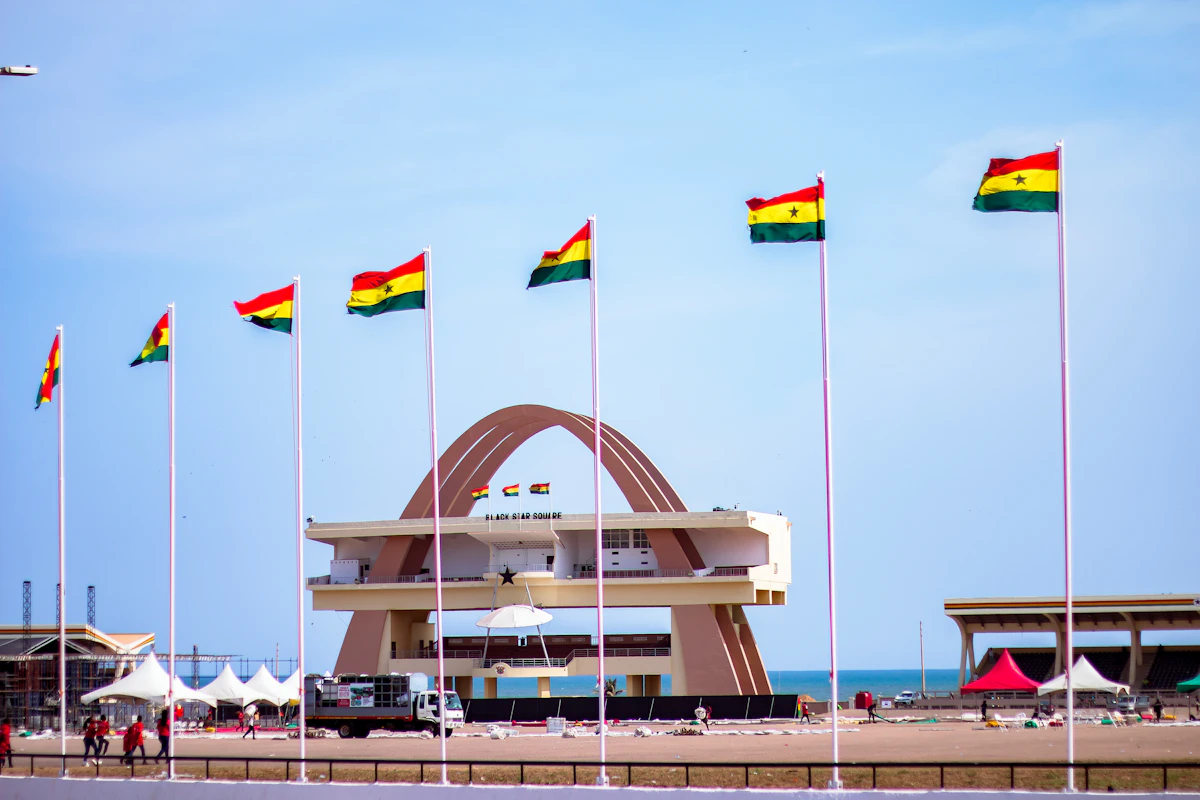
Ghana's central bank has held its benchmark interest rate at 14%, joining a wave of central banks worldwide maintaining higher borrowing costs amid geopolitical uncertainty. The decision reflects growing concern that escalating US-Iran tensions could disrupt global energy supplies and push inflation higher—a risk that hits expat wallets directly.
For remote workers and professionals relocating to Ghana, this steady-rate decision has immediate cost-of-living implications. When central banks keep rates elevated to combat inflation, it typically signals they expect prices to remain under pressure. Ghana's economy is already sensitive to oil price shocks; any disruption to global energy markets could ripple into higher transport costs, food prices, and utility bills—areas that consume a significant portion of expat budgets.
What Higher Rates Mean for Your Savings and Investments
Ad
The silver lining: Ghana's 14% rate is attractive for expats holding money in local savings accounts or fixed-income instruments. If you're planning to relocate and park emergency funds in Ghana, the interest yield remains competitive globally. However, this advantage only holds if inflation doesn't erode those gains. The central bank's caution suggests officials believe it will.
For those considering longer-term investments in Ghana—property, business ventures, or pension contributions—higher rates increase borrowing costs for mortgages and business loans. Credi access becomes more expensive, which can slow real estate appreciation and affect property rental yields.
Geopolitical Risk and Currency Stability
Ad
Geopolitical shocks typically weaken emerging-market currencies. Ghana's cedi could face downward pressure if oil prices spike and capital flows reverse. Expats earning in foreign currency (common for remote workers) maintain purchasing power, but those with Ghana-based income or planning to transfer funds home face exchange-rate headwinds. Inflation effects reshape expat destination decisions—and geopolitical instability accelerates that calculus.
The central bank's decision to hold steady rather than cut rates also reflects confidence in Ghana's economic fundamentals, but it's a holding pattern rather than a green light. Before relocating, expats should monitor whether the rate stance shifts; rate cuts would signal improving inflation, while further hikes suggest persistent price pressures.
Calculate your tax comparison across 46 countries. Find your best-fit destination.
Run your own numbers
Every situation is different. Calculate your exact numbers in 30 seconds.
Ad


