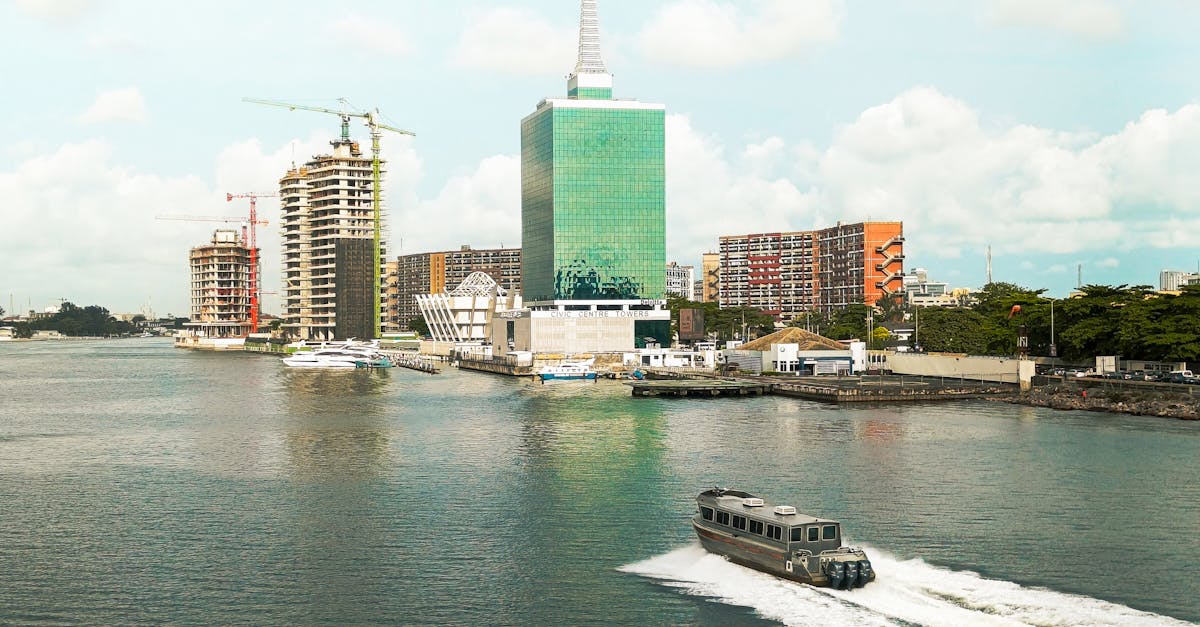
Living in Lagos, Nigeria
Lagos is one of the Nigeria destinations covered by GoWira's fiscal and lifestyle database, refreshed quarterly. A one-bedroom apartment in the Lagos city center rents for around NGN 950,000/month, while the same layout in the suburbs averages NGN 650,000/month — a typical center-vs-suburbs gap for a city this size. Everyday expenses run about NGN 190,000 for groceries (single person) and NGN 37,000 for a monthly public transport pass. On our cost-of-living index (100 = highest benchmark city), Lagos scores 28, which makes it one of the more affordable destinations.
If you're planning a move, a realistic first-year budget in Lagos starts at roughly NGN 1,177,000/month for a single person in a central studio, before taxes, insurance or discretionary spending. Dining tends to cost NGN 15,000 for a mid-range meal and NGN 1,200 for a coffee at a local café, with a beer at a bar around NGN 2,400. Owning a car adds approximately NGN 260,000/month between fuel, parking and insurance — many residents in Lagos skip this in favour of public transport or the NGN 37,000/month pass mentioned above.
Healthcare, schools and essentials
Nigeria offers a public healthcare system that residents access through social security contributions. Private health insurance for a single expat in Lagos costs around NGN 41,000/month, with a family plan at NGN 120,000. An out-of-pocket private GP visit runs about NGN 34,000, while specialists charge around NGN 61,000. Families should budget NGN 820,000/month for international schooling, or NGN 440,000/month for a local private school.
Who does Lagos suit best?
Lagos works especially well for senior professionals and families who can absorb top-tier European rent in exchange for infrastructure.
All figures are medians (p50), reviewed quarterly. Hit the calculator below for a number tailored to your salary and residency situation.